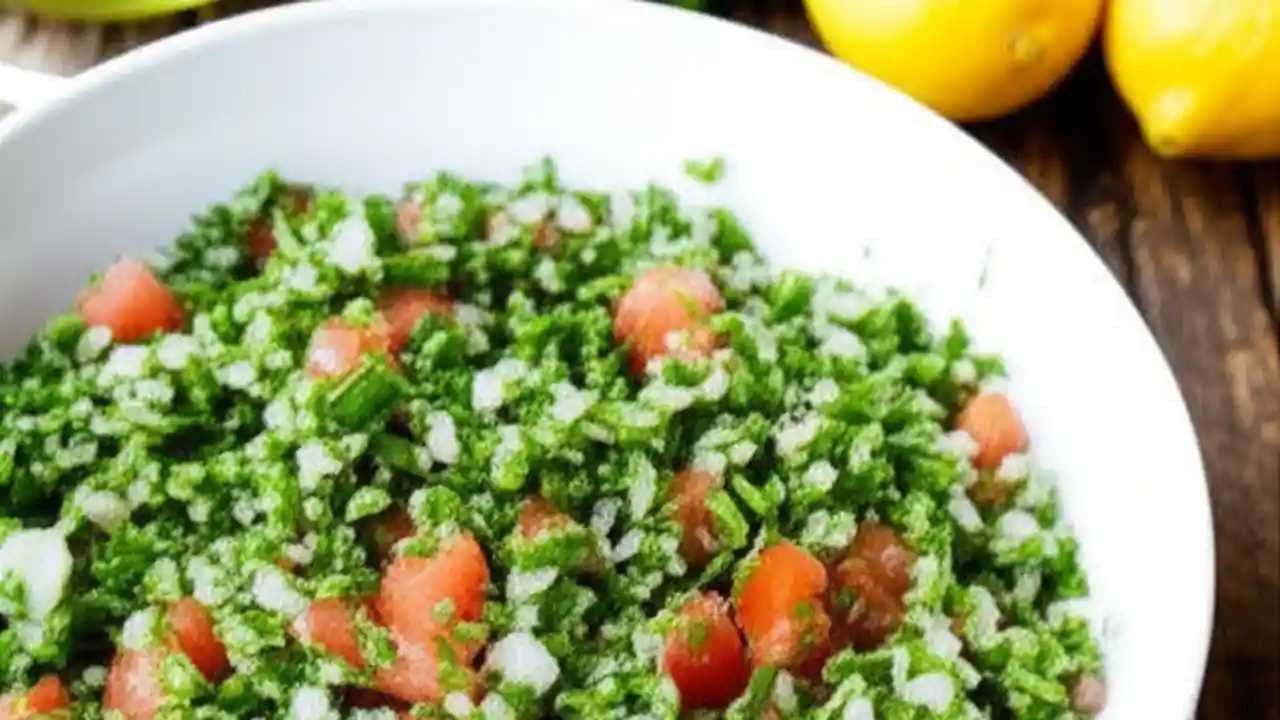
Bulgur Wheat vs. Couscous: Why Bulgur is Your Grain Salad Essential
When it comes to crafting a satisfying, nutritious, and incredibly flavorful grain salad, two contenders often rise to the forefront: bulgur wheat and couscous. While both are culinary staples in many global cuisines and might appear similar at first glance, a deeper dive reveals that bulgur wheat holds a distinct advantage, especially when the goal is a truly essential and wholesome
bulgur wheat salad. It's time to uncover why bulgur, with its rich history and robust nutritional profile, consistently outshines its pasta-like counterpart as the superior base for your next vibrant meal.
Bulgur vs. Couscous: Unpacking the Nutritional and Culinary Differences
To truly appreciate bulgur's dominance in the grain salad arena, it's crucial to understand what sets it apart from couscous. The fundamental difference lies in their very nature:
*
What is Bulgur Wheat?
Bulgur is a true whole grain. It's made from cracked wheat kernels that have been parboiled (partially cooked), dried, and then broken into various sizes. This pre-cooking process is what makes bulgur incredibly quick and easy to prepare, requiring minimal cooking or just a simple soak. As a whole grain, bulgur retains all parts of the wheat kernel – the bran, germ, and endosperm – meaning it’s packed with fiber, vitamins, and minerals. It boasts a pleasant, mild, and distinctly nutty flavor, along with a wonderfully fluffy texture when cooked correctly. Its heritage in Mediterranean and Middle Eastern cuisines, especially as the star of classic tabbouleh, speaks volumes about its versatility.
*
What is Couscous?
Couscous, on the other hand, is not a whole grain in the same way. It is technically a type of tiny pasta, typically made from semolina (durum wheat middlings) and water, which is then rolled into small pellets. While it's a convenient and quick-cooking ingredient, the refining process often strips away much of the fiber and nutrients found in whole wheat. Therefore, while fine for a quick side, it often lacks the inherent nutritional density and satisfying chew of bulgur.
The key distinction is clear: bulgur is a fiber-rich whole grain, offering sustained energy and satiety, while couscous is a refined grain product that, though light, might leave you wanting more sooner. For a
bulgur wheat salad, this difference translates into a dish that is not only delicious but genuinely hearty and nourishing.
Why Bulgur is Your Ultimate Grain Salad Essential
Bulgur's attributes make it perfectly suited to be the cornerstone of an endless variety of grain salads. Its inherent qualities contribute to both the flavor and the nutritional value of your dish.
*
Unmatched Versatility as a Base
Bulgur's mild, nutty flavor provides an excellent canvas for an array of ingredients. Whether you’re aiming for a fresh, herbaceous blend or a hearty, protein-packed creation, bulgur adapts beautifully.
*
Classic Combinations: Imagine a vibrant salad starting with bulgur, brightened by fresh herbs like basil, parsley, and oregano, infused with olive oil and the zest and juice of oranges and lemons. A touch of minced onion adds a bite, and optional olives deliver a delicious salty punch.
*
Protein-Rich Powerhouses: Elevate your
bulgur wheat salad by incorporating nutty chickpeas (or white beans), sweet and tangy pomegranate seeds, and crumbled feta cheese. For an extra boost, toasted almond flakes, sunflower seeds, or even cashews add delightful crunch and healthy fats.
*
Seasonal Adaptability: Bulgur truly shines when paired with seasonal produce. In summer, it’s a fantastic way to highlight garden-fresh tomatoes, cucumbers, and bell peppers. As the seasons change, think roasted root vegetables, dried fruits, or even a different array of fresh herbs like dill, thyme, or marjoram.
*
Hearty Meal Builders: To transform your salad into a complete meal, consider adding sliced grilled chicken, baked chicken breasts, roasted salmon, or plant-based proteins like roasted tofu or halloumi.
*
A Nutritional Powerhouse
Embracing bulgur means embracing superior nutrition. As a whole grain, bulgur is naturally:
*
High in Fiber: This is bulgur’s superstar quality. The abundant dietary fiber promotes digestive health, helps regulate blood sugar levels, and is instrumental in keeping you feeling full and satisfied for hours. This satiety is key to preventing post-meal cravings and supporting overall wellness. If you're looking for meals that truly nourish, explore the benefits of a
High-Fiber Bulgur Wheat Salad: Quick, Healthy & Versatile Meals.
*
Rich in Nutrients: Beyond fiber, bulgur provides essential minerals like manganese, magnesium, and iron, along with B vitamins, all crucial for energy production and overall bodily functions.
*
Good Source of Plant-Based Protein: While not a complete protein on its own, bulgur contributes to your daily protein intake, especially when combined with other protein sources like chickpeas, lentils, or cheese, making your salad a truly balanced meal.
*
Remarkable Ease of Preparation
One of bulgur's most compelling advantages is its simplicity. Thanks to its parboiled nature, preparing bulgur is incredibly straightforward and quick. If you can make rice, you can certainly make bulgur wheat.
*
Quick Methods: There are typically three main ways to prepare bulgur:
1.
Soaking: For fine bulgur, simply soaking it in freshly boiled water until rehydrated can work, though this often takes the longest.
2.
Microwaving: A convenient option for a quick batch, where bulgur is cooked with water in the microwave until absorbed.
3.
Simmering: Often considered the best method for consistent results, bulgur is simmered in water for about 10 minutes until all the liquid is absorbed, yielding fluffy, perfectly cooked grains.
*
Ideal for Meal Prep: Once you have a container of cooked bulgur in your fridge, preparing a
bulgur wheat salad becomes a matter of minutes. This makes it a perfect component for quick lunches, healthy dinners, or feeding a crowd at potlucks. For more inspiring ideas, check out
Easy Bulgur Salad Recipes: Perfect for Potlucks & Quick Lunches.
Crafting the Perfect Bulgur Wheat Salad: Beyond Tabbouleh
While bulgur is the star of tabbouleh, its culinary potential extends far beyond this classic. Here's how to build a bulgur wheat salad that bursts with flavor and texture:
*
Balancing Flavors and Textures
The secret to an outstanding bulgur salad lies in combining contrasting elements:
*
Acidity: Fresh lemon juice and zest are non-negotiable, brightening the entire dish. Don't be afraid to experiment with lime or even a splash of orange juice.
*
Herbs: Always opt for fresh herbs over dried. Basil, parsley, and oregano are excellent choices, but consider dill for a fresh, anise-like note, mint for a cooling sensation, or a touch of thyme or marjoram. Remember to taste as you add, as some herbs (like rosemary or sage) can be potent.
*
Sweetness: Pomegranate seeds not only add stunning color but also a burst of sweet-tart flavor and juicy texture. A hint of honey or maple syrup in the dressing can also enhance sweetness.
*
Crunch: Diced cucumbers, bell peppers, toasted nuts (almonds, walnuts, pistachios), or seeds (sunflower, pumpkin) provide essential textural contrast.
*
Savory Depth: Briny olives, capers, or sun-dried tomatoes can add a rich, umami layer.
*
Creaminess/Protein: Crumbled feta, goat cheese, or grated Parmesan contribute a delightful tang and creamy texture. Chickpeas or white beans add robust plant-based protein.
*
The Art of the Dressing
A simple, well-balanced dressing can elevate your
bulgur wheat salad to new heights. A base of good quality cold-pressed olive oil, fresh lemon juice, lemon zest, a touch of honey or maple syrup, salt, and freshly ground pepper is often all you need. Consider adding a dash of apple cider vinegar or red wine vinegar for a different acidic profile, or a pinch of sumac for an authentic Middle Eastern tang.
*
Tips for Success
*
Perfectly Cooked Bulgur: Ensure your bulgur is fluffy, not mushy. Follow package instructions carefully regarding water-to-bulgur ratio and cooking time.
*
Cooling is Key: Allow cooked bulgur to cool completely before mixing in fresh vegetables and herbs. This prevents wilting and maintains vibrant colors and crisp textures.
*
Taste and Adjust: The beauty of a grain salad is its adaptability. Always taste your salad before serving and adjust seasonings, herbs, or citrus as needed.
*
Make Ahead Magic: Bulgur salads often taste even better the next day as the flavors meld and deepen. This makes them ideal for meal prep and gatherings.
Making Bulgur Wheat Your Go-To for Healthy, Hearty Meals
Embracing bulgur wheat as your go-to grain salad essential is a step towards healthier, more satisfying eating. Its versatility means you'll never tire of the possibilities, and its nutritional benefits will keep you feeling energized and full. From quick weeknight dinners to impressive potluck contributions, the
bulgur wheat salad offers a delicious and practical solution for any meal. Its ability to absorb flavors, its delightful texture, and its hearty nature make it a truly indispensable ingredient in any health-conscious kitchen.
Conclusion
In the debate between bulgur wheat and couscous for grain salads, bulgur clearly emerges as the winner. Its status as a nutrient-dense whole grain, exceptional versatility, and ease of preparation make it the superior choice for creating meals that are not only bursting with flavor but also deeply satisfying and incredibly healthy. So, the next time you're planning a vibrant, wholesome meal, reach for bulgur wheat. You'll discover why it’s destined to become your essential base for countless delicious and nourishing grain salads.